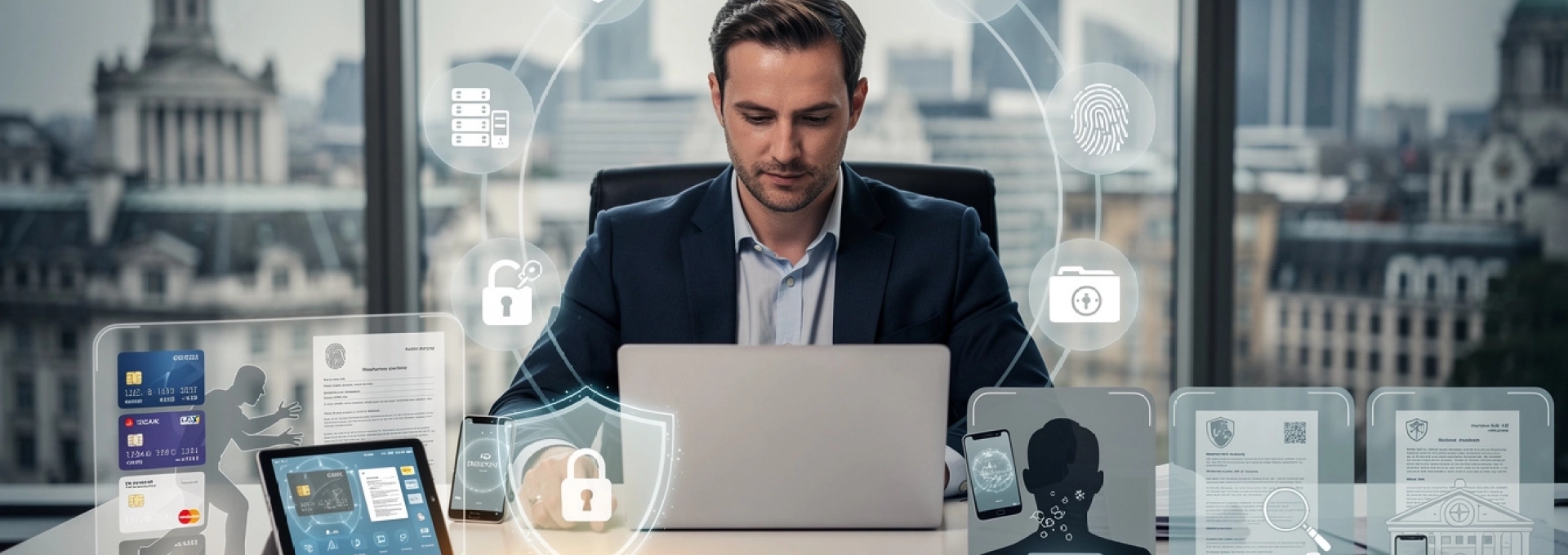
Identity theft has emerged as one of the most prevalent and devastating crimes in the digital age, affecting millions of individuals across the UK annually. The sophisticated nature of modern identity fraud requires a comprehensive understanding of both legal protections and practical safeguards. As cybercriminals develop increasingly sophisticated methods to steal personal information, the intersection of technology and law becomes crucial for effective protection. This evolving landscape demands that individuals not only understand their legal rights but also implement robust security measures to prevent becoming victims of this pervasive crime.
Understanding identity theft vulnerabilities and legal classifications
Identity theft encompasses a broad spectrum of criminal activities, each carrying distinct legal implications and potential consequences for victims. The legal framework surrounding identity theft in the UK recognises multiple categories of this crime, ranging from simple document fraud to complex synthetic identity creation. Understanding these classifications helps individuals recognise potential threats and respond appropriately when suspicious activity occurs.
Financial identity theft through credit card fraud and account takeover
Financial identity theft represents the most common form of identity crime, where criminals gain unauthorised access to bank accounts, credit cards, or other financial instruments. This type of fraud typically begins when personal information falls into the wrong hands through data breaches, phishing attempts, or physical document theft. The legal implications are severe, as perpetrators may face charges under multiple acts including the Fraud Act 2006 and the Computer Misuse Act 1990.
Account takeover fraud has become increasingly sophisticated, with criminals using social engineering techniques to convince financial institutions that they are the legitimate account holder. The average financial loss per victim continues to rise, with some cases resulting in losses exceeding £10,000. Immediate action is crucial when suspicious transactions appear on statements, as delayed reporting can complicate recovery efforts and potentially limit legal protections.
Medical identity theft and healthcare record manipulation
Medical identity theft involves the unauthorised use of personal information to obtain medical services, prescription drugs, or to file fraudulent insurance claims. This form of identity theft poses unique dangers, as incorrect medical information may be added to legitimate health records, potentially endangering future medical care. The NHS and private healthcare providers maintain strict data protection protocols, yet vulnerabilities still exist within the healthcare system.
The legal framework governing medical identity theft intersects with healthcare regulations and data protection laws. Victims may face challenges in correcting medical records, as healthcare providers must balance patient privacy with security concerns. The complexity of medical record systems often means that fraudulent information remains embedded in databases long after the initial theft is discovered, requiring persistent advocacy to achieve complete correction.
Criminal identity theft and false impersonation charges
Criminal identity theft occurs when someone provides another person’s identifying information during an arrest or criminal investigation. This particularly insidious form of identity theft can result in arrest warrants, court appearances, and criminal records being associated with innocent victims. The legal ramifications extend beyond financial loss, potentially affecting employment opportunities, housing applications, and professional licensing.
Law enforcement agencies have developed protocols to address cases where individuals discover criminal activity associated with their identity. However, the process of clearing one’s name can be lengthy and complex, often requiring legal representation and extensive documentation. The burden of proof often falls on the victim to demonstrate their innocence, highlighting the importance of maintaining detailed personal records and documentation.
Employment identity theft and tax fraud implications
Employment-related identity theft typically involves criminals using stolen personal information to secure employment, often in jobs that do not require extensive background checks. This type of fraud can result in unexpected tax liabilities, as income earned by the impersonator is reported to HMRC under the victim’s National Insurance number. The discovery of such fraud often occurs during the annual tax filing process, when discrepancies appear in employment records.
The legal implications of employment identity theft extend to both tax law and employment regulations. Victims may face challenges in proving to HMRC that reported income is fraudulent, particularly when the criminal has been employed for extended periods. Documentation and prompt reporting become essential elements in resolving these cases, as delays can complicate the process of correcting tax records and preventing future liability.
Legal frameworks and regulatory protections under UK data protection laws
The United Kingdom’s approach to identity theft protection incorpor
ates both domestic legislation and European-derived data protection standards. Together, these frameworks create obligations for organisations that handle personal data and provide individuals with enforceable rights when their information is mishandled. Understanding how these laws operate in practice can help you recognise when an organisation has failed in its duties and what remedies may be available if your identity is compromised as a result.
GDPR article 32 security measures and data controller obligations
Under the UK GDPR, Article 32 requires data controllers and processors to implement appropriate technical and organisational measures to ensure a level of security appropriate to the risk. In real terms, this means organisations must assess the sensitivity of the personal data they hold and apply protections such as encryption, access controls, and regular security testing. If a company holding your financial or medical information fails to apply reasonable safeguards, and your identity is stolen as a result, this may amount to a breach of Article 32.
Importantly, the law does not demand absolute security, but it does require organisations to demonstrate that they have considered the risks and taken proportionate steps to mitigate them. This includes staff training, incident response planning, and regular reviews of security measures as technology and threats evolve. When you are assessing whether to trust a service with your data, you can look for evidence of these steps in privacy notices, security statements, and independent certifications. If an organisation cannot explain how it protects your data, that should be a red flag when it comes to identity theft protection.
Data protection act 2018 breach notification requirements
The Data Protection Act 2018 (DPA 2018), which works alongside the UK GDPR, sets out detailed rules on what must happen when a personal data breach occurs. Where a breach is likely to result in a risk to your rights and freedoms – for example, exposing your name, address, and financial details – the organisation must notify the Information Commissioner’s Office (ICO) within 72 hours. In many cases, they must also inform you without undue delay if the breach is likely to result in a high risk, such as a realistic chance of identity theft or fraud.
For victims, these breach notifications are often the first sign that their identity information is at risk. When you receive such a notice, it is not enough to simply read it and move on; you should take active steps such as monitoring your bank accounts, changing passwords, and checking your credit reports. The DPA 2018 also gives you the right to complain to the ICO if you believe an organisation has failed to notify you appropriately or has not handled your personal data in compliance with the law. In some circumstances, you may be able to pursue compensation through the courts for financial loss or distress caused by the breach, which can be a vital part of recovering from identity theft.
Financial conduct authority identity verification standards
Financial services firms in the UK are regulated by the Financial Conduct Authority (FCA), which imposes strict standards on customer identification and verification. These requirements, often referred to as Know Your Customer (KYC) and anti-money laundering (AML) checks, are designed to ensure firms take reasonable steps to confirm that you are who you say you are before opening accounts or providing services. While these checks can sometimes feel intrusive, they are a key safeguard against financial identity theft and account takeover.
Firms must balance robust identity verification with fair treatment of customers, meaning they should not make it unreasonably difficult for you to correct errors or disputed transactions. If your identity has been misused to open an account, FCA rules require firms to investigate promptly and treat you fairly during the dispute process. You also have access to the Financial Ombudsman Service if you are unhappy with how a bank or lender has handled an identity theft case. Understanding that these standards exist can help you be more assertive when dealing with financial institutions after a suspected fraud.
Computer misuse act 1990 unauthorised access provisions
The Computer Misuse Act 1990 (CMA) is a cornerstone of UK cybercrime law and plays a central role in tackling identity theft that involves hacking or unauthorised access. Under the CMA, it is a criminal offence to access a computer system without permission, even if no data is altered or deleted. When identity thieves break into email accounts, online banking, or cloud storage to harvest personal details, they are likely committing offences under this Act in addition to fraud-related crimes.
For individuals, the CMA provides the legal basis for police and other enforcement agencies to investigate and prosecute hackers who compromise personal information. While you cannot use the CMA directly to claim compensation, reports you make to the police or Action Fraud often cite CMA offences as part of the investigation. Knowing that unauthorised access is a standalone crime reinforces the importance of strong passwords, two-factor authentication, and cautious behaviour online; each measure you take reduces opportunities for criminals to engage in conduct that the CMA is designed to punish.
Proactive identity monitoring and technical safeguarding strategies
Legal protections are vital, but they work best when combined with proactive monitoring and technical safeguards that reduce your exposure to risk. Instead of waiting for an identity theft incident to occur, you can adopt practical strategies that make it harder for criminals to obtain and exploit your personal information. Think of these measures as a layered defence system: each layer may not be perfect on its own, but together they significantly increase your security.
Credit reference agency monitoring through experian, equifax, and TransUnion
One of the most effective early warning systems for identity theft is regular monitoring of your credit file with the three main UK credit reference agencies: Experian, Equifax, and TransUnion. These agencies compile information on credit applications, borrowing behaviour, and repayment history, which means suspicious activity such as unexpected loan applications or new credit cards often appears here first. By checking your reports regularly, you can spot anomalies before they develop into full-scale identity fraud.
Many people assume that monitoring credit reports is only necessary if they are applying for a mortgage or major loan, but in an era of widespread data breaches, routine checks are increasingly important. You can access your statutory credit report for free, and some services offer ongoing credit monitoring with alerts when significant changes occur. If you notice accounts you do not recognise or searches from unfamiliar lenders, you should raise a dispute with the relevant credit reference agency and contact the lender immediately. Taking swift action at this stage can prevent fraudulent credit from being approved in your name.
Two-factor authentication implementation across digital platforms
Two-factor authentication (2FA), sometimes called multi-factor authentication (MFA), adds an extra step when you log into online services, making it much harder for criminals to access your accounts even if they obtain your password. Typically, 2FA requires something you know (your password) plus something you have (such as a code sent to your phone or generated by an authentication app). This additional barrier is particularly important for email, banking, and social media accounts, which are often the first targets in an identity theft campaign.
Enabling 2FA across your key accounts can feel like putting a deadbolt on your digital front door; it may add a small amount of friction, but it significantly improves your security. Where possible, using an authenticator app or hardware security key is safer than SMS-based codes, which can be vulnerable to SIM-swap attacks. You should also review which devices and applications are authorised to access your accounts and revoke access you no longer need. By systematically rolling out 2FA on your most sensitive services, you reduce the chances of criminals gaining a foothold in your digital life.
Personal data audit and digital footprint minimisation
Have you ever searched your own name online to see what appears? Conducting a personal data audit is a powerful way to understand your digital footprint and identify information that could be exploited by identity thieves. This process involves reviewing social media profiles, old online accounts, forum posts, and any public records that reveal personal details such as your full address, date of birth, workplace, or family connections. Each fragment of information may seem harmless in isolation, but together they can form a detailed profile that criminals can use to impersonate you.
Once you know what is out there, you can take steps to minimise unnecessary exposure. This might include tightening privacy settings on social media, deleting unused accounts, and requesting removal of outdated or inaccurate information from websites where possible. When you share information online in future, ask yourself whether it is truly necessary or could be used to answer common security questions. Treat your personal data like a limited resource; the less you distribute, the harder it is for fraudsters to piece together your identity.
Secure document storage and physical identity protection
While identity theft is often associated with cybercrime, physical documents remain a prime target for fraudsters. Passports, driving licences, bank statements, and utility bills all contain detailed personal information that can be used to open accounts or pass security checks. Storing these documents securely at home, preferably in a locked drawer or safe, is a simple but crucial step in protecting your identity. When you no longer need documents, shredding them rather than throwing them away intact prevents criminals from retrieving details from your rubbish.
Physical security also extends to how you manage post and deliveries. Unsecured letterboxes and communal mail areas are common sources of stolen identity information, particularly when new bank cards or financial statements are sent. If possible, use lockable mailboxes or arrange for important items to be delivered when you are at home or collected from a secure location. When you move house, ensure you promptly update your address with banks, HMRC, and other key organisations, and consider using a mail redirection service to prevent sensitive correspondence falling into the wrong hands.
Legal remedies and enforcement actions for identity theft victims
Even with the best safeguards in place, identity theft can still occur, leaving you to deal with financial loss, reputational harm, and emotional stress. Understanding the legal remedies available can help you regain control and hold responsible parties to account. In many cases, this involves a combination of reporting the crime, working with regulators, and pursuing civil claims where appropriate.
Victims of identity theft can often seek reimbursement from banks and financial institutions when fraudulent transactions occur, provided they have not acted negligently. If a financial firm refuses to refund losses or investigate thoroughly, you can escalate the matter to the Financial Ombudsman Service, which has the power to order compensation where you have been treated unfairly. In data breach cases, you may also be able to claim compensation from organisations that failed to protect your personal information under the UK GDPR and DPA 2018, either directly or through group litigation where many individuals have been affected.
Law enforcement and regulatory bodies also play an important role in tackling identity theft. Reports made to Action Fraud are assessed and may be passed to the National Fraud Intelligence Bureau or local police forces for investigation. While not every case results in prosecution, the information you provide helps build intelligence on fraud networks and can contribute to wider enforcement action under the Fraud Act, CMA, or other relevant legislation. In some circumstances, courts can issue compensation orders against convicted offenders, although recovering funds from criminals is not always straightforward.
Prevention through digital security and privacy best practices
Preventing identity theft is ultimately about making yourself a harder target by combining legal awareness with strong digital hygiene. Think of your digital life as a house with multiple entry points: doors, windows, and back gates. If you lock only the front door but leave the rest open, determined criminals can still get in. By applying a consistent set of security and privacy best practices across all your devices and accounts, you close many of these gaps.
Simple measures such as using unique, complex passwords for each account, keeping software up to date, and avoiding public Wi-Fi for sensitive transactions can dramatically reduce your exposure. You should also be wary of unsolicited emails, phone calls, or messages that request personal information or urge you to act urgently; these are classic hallmarks of phishing and social engineering attacks. When in doubt, contact the organisation directly using details from its official website rather than links or numbers provided in the suspicious message. Over time, these habits become second nature, creating a strong first line of defence against identity fraud.
Privacy settings and data-sharing preferences deserve regular attention as well. Many apps and online services request far more information than they genuinely need, from access to your contacts and location to permissions for monitoring your browsing behaviour. Reviewing and limiting these permissions is similar to closing internal doors in your home; even if an intruder gets inside, they cannot easily move from one room to another. By reducing the amount of data that companies collect and share about you, you shrink the potential attack surface that identity thieves can exploit.
Reporting mechanisms and law enforcement coordination procedures
When you suspect that your identity has been compromised, knowing how and where to report the incident can make a significant difference to the outcome. In the UK, most cases of fraud and cybercrime, including identity theft, should be reported to Action Fraud, the national reporting centre. You can provide details online or by phone, receive a crime reference number, and access guidance on immediate steps to take, such as contacting your bank and changing passwords. This centralised reporting system helps coordinate responses and link seemingly separate cases that may be part of a larger criminal operation.
Depending on the nature of the identity theft, you may also need to report the incident to other bodies. For example, if fraudulent benefits claims have been made in your name, you should contact the relevant government department; if your driving licence or passport has been misused, you will need to notify the DVLA or HM Passport Office. In cases involving tax fraud or employment identity theft, HMRC has dedicated channels for reporting suspicious activity linked to your National Insurance number. Coordinating these reports can feel overwhelming, but keeping a detailed record of dates, reference numbers, and the people you speak to will help you stay organised and support any future legal or compensation claims.
Law enforcement agencies, regulators, and industry bodies increasingly share intelligence to combat identity theft on a systemic level. Information from your reports contributes to this wider picture, helping to identify common tactics, vulnerable systems, and repeat offenders. While you may not always see immediate results, your actions help strengthen the overall ecosystem that protects individuals from identity crime. By combining timely reporting with robust personal security measures and an understanding of your legal rights, you place yourself in the strongest possible position to prevent, detect, and respond to identity theft.